New cat
Preparing for a new cat
Cats, Adopters, Kitten
» Read our introduction article, What is reactivity?
1. Keep your cool (even when you want to die of embarrassment).
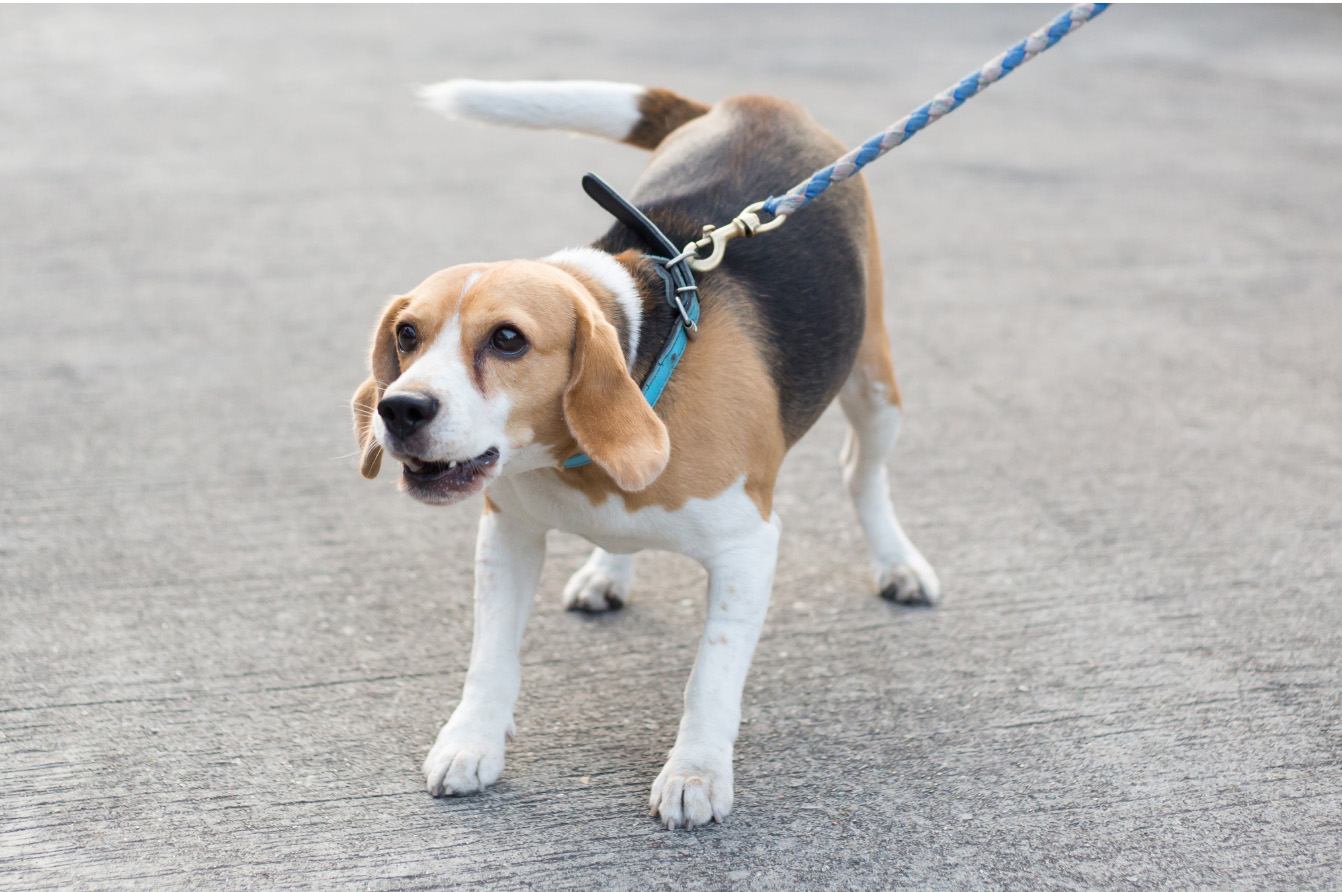
When they kick off, stay calm and, if you are walking, keep a firm but consistent movement on the lead to move away. Give the command to walk with you or come away in a breezy relaxed tone – even if you are feeling furious, embarrassed or flustered. Fake it ‘til you make it!
2. Reward the good, ignore the bad.
Reward them with a ‘yes’ or ‘good!’ the millisecond they give you attention rather than the object of their frustration. Timing is everything – and honestly, you’ll surprise yourself how quickly you get the hang of it.
3. Walk in quiet areas at quiet times.
Seek out spaces away from popular parks or school run traffic – look on Google maps for some ideas. You can also scope out areas that are busy at 8.30am, but what about 7am? Yes, that might mean setting an early alarm – but a calm, uneventful walk is absolutely worth it, we promise.
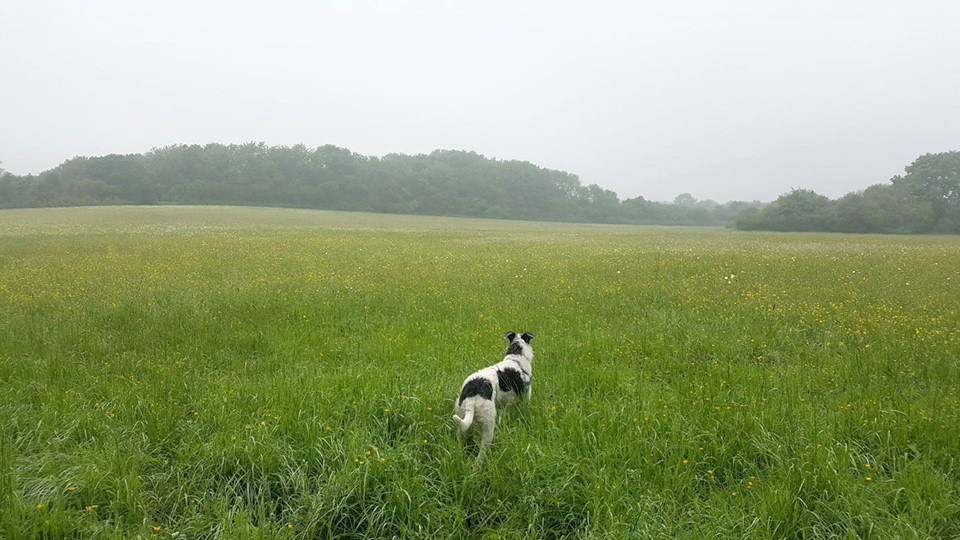
4. Game changer: hire a field.
Still struggling to find somewhere? You can hire secure fields for an hour or two in the knowledge no-one else will be there. Search on dogwalkingfields.co.uk or have a google search for local sites.
You don’t have to walk them every day – duvet days are allowed for dogs too.
5. Kit up!
The right walking gear makes a real difference. A harness gives you more control and is much kinder on their throat and spine; a long line beats an extendable lead hands down (those things jolt hard). And don't write off muzzles - a muzzled dog often means a more relaxed owner, and your dog absolutely picks up on that.
6. Focus games.
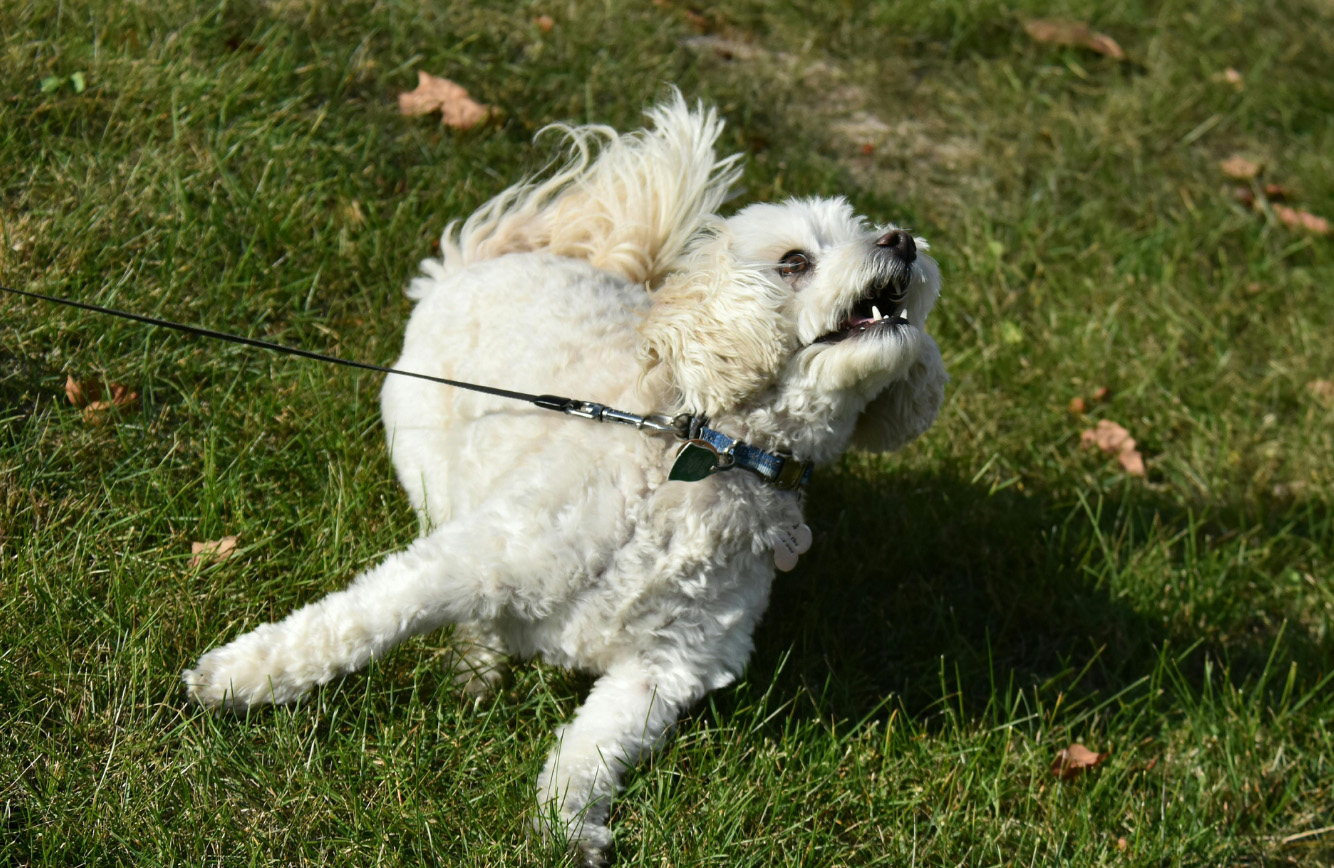
We love these and do them all the time at the rescue centres. They are easy to keep up practice because you both actually enjoy them.
» Focus and attention games for dogs
7. Small goals!
It is long-term training so celebrate the wins. Take it slow reducing the distance your dog can cope with their triggers and celebrate every positive. Only barked once and then came away with you? Brilliant job for today, give a bit more distance next time and keep going!
8. Be kind to yourself when it goes wrong.
OK, so that person stepped out from a side road and you couldn’t avoid them or distract your dog. It was embarrassing, they gave you a look, it’s OK. Walk past to a quiet spot and refocus together. Do an easy game or command to have a ‘win’ and feel better. You’ve got this!

Preparing for a new cat
Cats, Adopters, Kitten
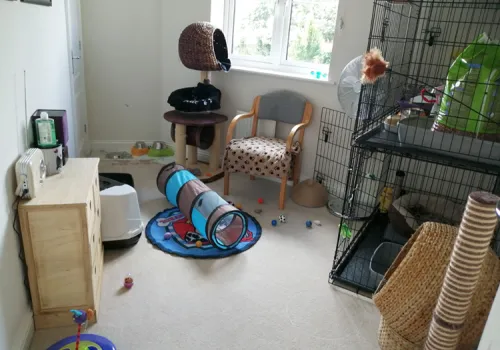
How to choose and set up a secure room for newly-adopted or nervous cats
Cats, Adopters, Kitten
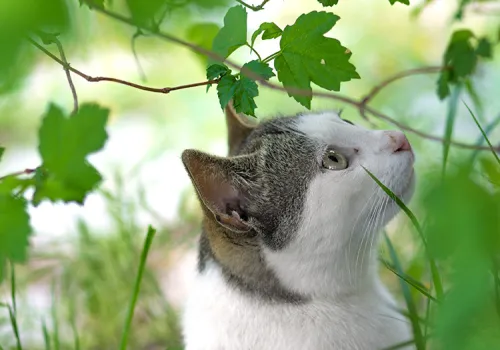
Letting your cat outside for the very first time is nerve-wracking! Here are some tips on how to prepare your cat for their next adventure
Cats, Adopters, Cat behaviour