New cat
Preparing for a new cat
Cats, Adopters, Kitten
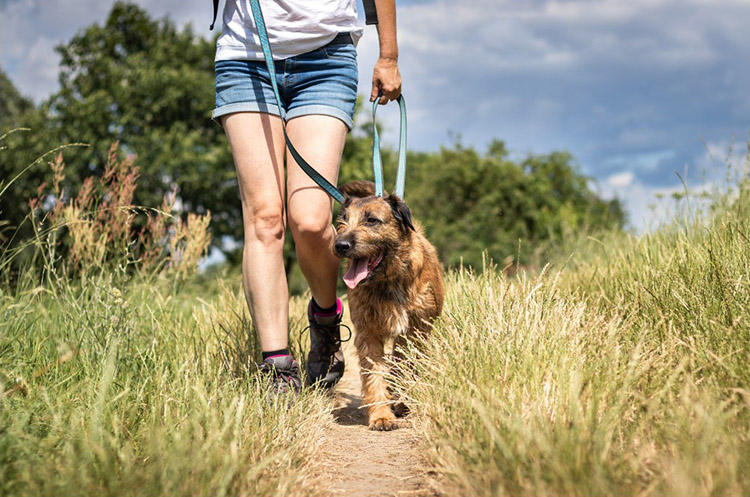
» Read our introduction article, What is reactivity?
For some dogs, spotting another dog on the lead is the worst thing that can happen - or the most exciting, which can look pretty similar from the outside. This can lead to behaviours such as barking, pulling, lunging, jumping or growling.
If your dog reacts like this, try not to worry. Walks don’t always go to plan, and that’s okay. With time and consistent training, many dogs can learn to feel calmer and more comfortable around other dogs.
If your dog reacts, the most important thing is to stay calm and move them away from the situation as quickly and quietly as possible. Creating space will help your dog to settle more quickly.
Dogs are very aware of our body language (you know this from how they pick up on cues that it is near dinner time!). If you feel tense, then your dog may become more anxious. Keep your body relaxed, avoid tightening the lead unless necessary and move away calmly without rushing.
Try to spot the other dog before your dog does - that's your window.
At this stage:
• Offer high-value treats such as chicken, cheese or sausage
• Continue rewarding while the other dog is in view
Over time, your dog will begin to associate seeing other dogs with something positive. They should start to look back at you for a reward instead of reacting.
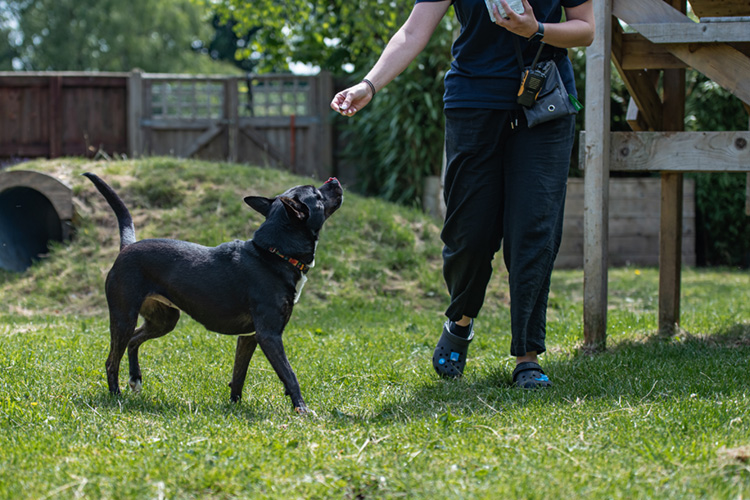
It is much easier to gain your dog’s attention before they react, than afterwards. Grab that attention by:
• Using a happy, encouraging voice
• Changing direction or walking in a different pattern
• Offering a toy
• Asking for simple cues your dog already knows, such as sit or touch
Try to vary what you do so your dog does not rely on one specific cue. It can also help to practice these skills at different points during your walk, not only when other dogs are nearby.
Teaching your dog to focus on you is an important part of managing reactivity. This helps your dog learn that paying attention to you is rewarding, even when there are distractions around.
• Reward your dog for checking in with you – that’s a glance up or back
• Practice focus exercises regularly (see some games below)
• Reinforce calm behaviour with a ‘yes’ or ‘good’, even if it is just a few seconds
.jpg)
It might feel anti-social to avoid other dogs, but not all dogs benefit from meeting others while on the lead. If your dog is unsure, it is OK to keep interactions brief or avoid them altogether.
If you choose to greet:
• Keep the interaction short (just 3 seconds is genuinely enough, any longer and it can tip over)
• Gently move your dog away using a cue such as “let’s go”
• Praise your dog for coming away with you
If you choose not to greet:
• Walk past calmly and confidently
• Keep the lead steady
• Ignore unwanted behaviours
• Praise your dog as soon as they re-engage with you
Skipping a greeting isn't rude - it's good ownership.
Dogs are more likely to react when approaching another dog head-on. Where possible, cross the road, or turn and walk another way. If you are trapped, create as much space between your dog and the other dog as you pass.
Giving your dog more distance can make it much easier for them to stay calm.
Remember, helping a reactive dog takes time, patience and consistency. Every time your dog checks in with you instead of staring down a dog? That's a win worth celebrating.
Preparing for a new cat
Cats, Adopters, Kitten
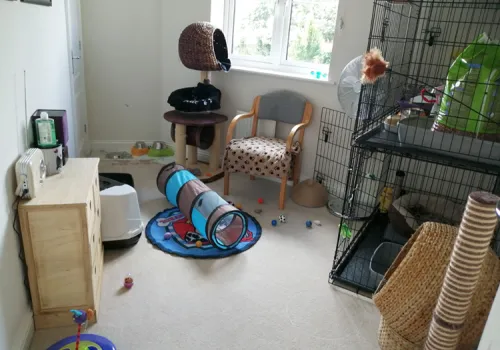
How to choose and set up a secure room for newly-adopted or nervous cats
Cats, Adopters, Kitten
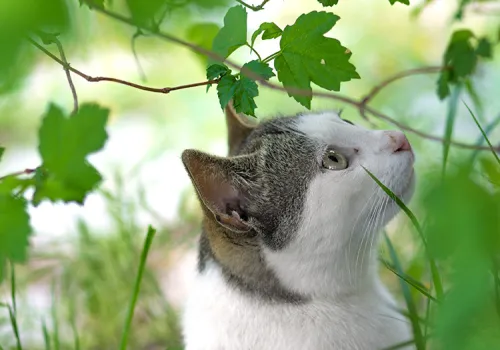
Letting your cat outside for the very first time is nerve-wracking! Here are some tips on how to prepare your cat for their next adventure
Cats, Adopters, Cat behaviour