New cat
Preparing for a new cat
Cats, Adopters, Kitten
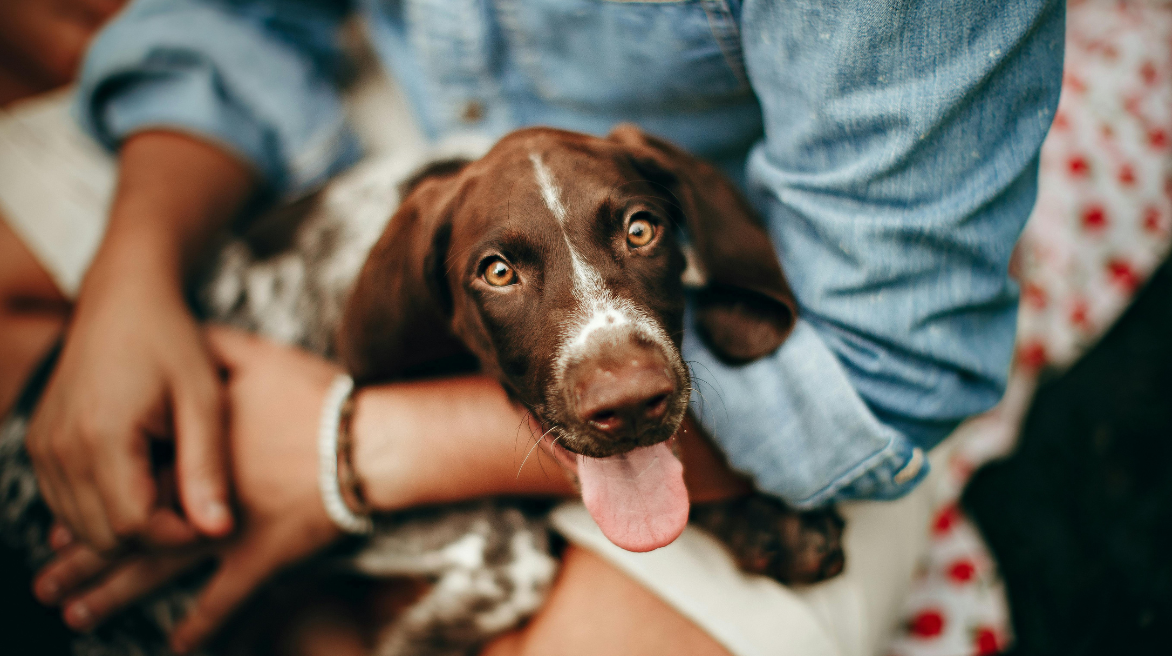
You've decided to get a dog!
Here’s what we suggest you prepare before you welcome a new dog to your home, and what can wait until you know your dog a little bit better.
Scroll to the bottom for a printable shopping list to download.
 A comfy bed – position in a quiet place and have a household agreement never to disturb them when they are there. Some dogs like crates as a little den, but this needs to be trained specifically, so wait until you know more about the dog you are adopting before investing in a crate.
 A blanket for your sofas is helpful to indicate where it is OK to come up and is great for training ‘settle’ in different rooms.
 Find an old towel just for them, but nothing with hair dye or bleach on.
 Food and water bowls. We recommend metal or ceramic as plastic can hold in odours and bacteria. If you are looking to adopt a large or older dog, then find a way to lift the bowls up from the floor a bit.
 Food and training treats. Obviously they will need food, but you might want to wait until you know which dog you are adopting and we’ll let you know what to get and what their favourite treats are. They could have dietary needs or foibles we’ve discovered.
 What goes in… you’re going to need a lot of poo bags! In a year you will use an astonishing 700 bags, so find somewhere to order in bulk to save money. It is the law to bag and bin poo - it is an environmental hazard wherever it is.
Being green. It’s a tricky ask to be eco-conscious and own a dog. Poo bags marked ‘compostable’ or ‘biodegradable’ are usually a greenwash as they need very specific conditions to biodegrade, and a landfill will not provide that.
For the moment, the most eco-option is to buy recycled bags.
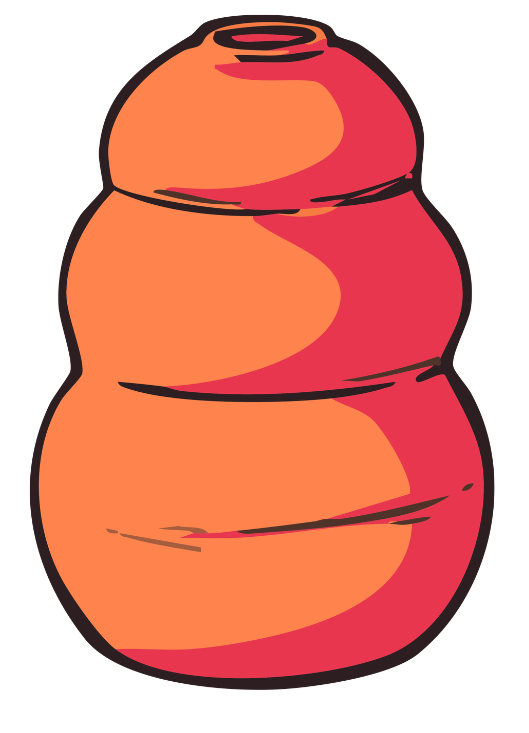 A Kong – these are rubber toys which you can fill with biscuits and treats. It entertains and relaxes your dog, as they lick or bat them about to get to the treats. Red is the classic, but there are versions for strong chewers and softer versions for puppies and older dogs. We also make a homemade game we call ‘destruction boxes’ (see the 'not all games need toys' link below).
 You will no doubt end up with a mountain of toys but start with a couple of basics until you know what your dog is really into. A soft toy and a tug toy make a great start. Dogs feel their way through life with their mouths, so we love toys that have different textures and subtle noises - like a crinkle or crunch. See also ‘chew toys’ under ‘dental care’ below.
» Not all games need toys! Click to read our games blog.
Why not a ball? Chase games are not very interactive, so shouldn’t be a first choice when you are working on creating a bond with a new dog. Wait until you know more about their character and needs – some dogs can be over-stimulated by the chase adrenaline so you might find that you want to avoid balls altogether.
 By law, when a dog is outside the house, they must be wearing a collar and tag with your name and address on. We also suggest a phone number but that is not a requirement. But don’t get your collar now - when you know who you are adopting we can give you a collar size, and we’ll make you a tag on adoption day for £5.
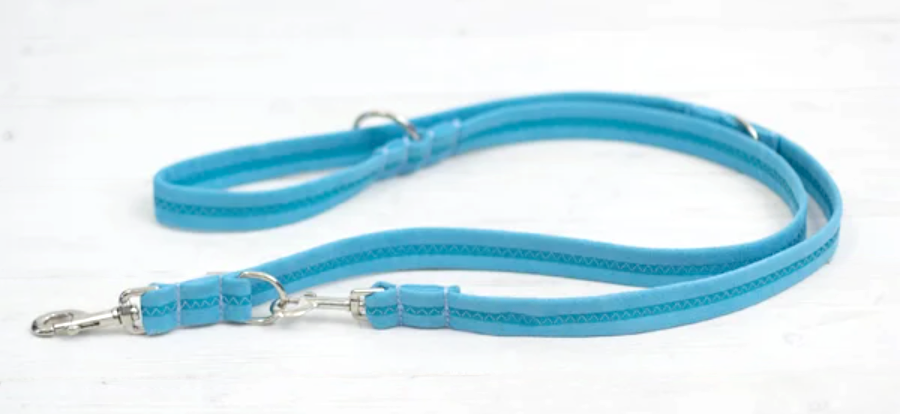
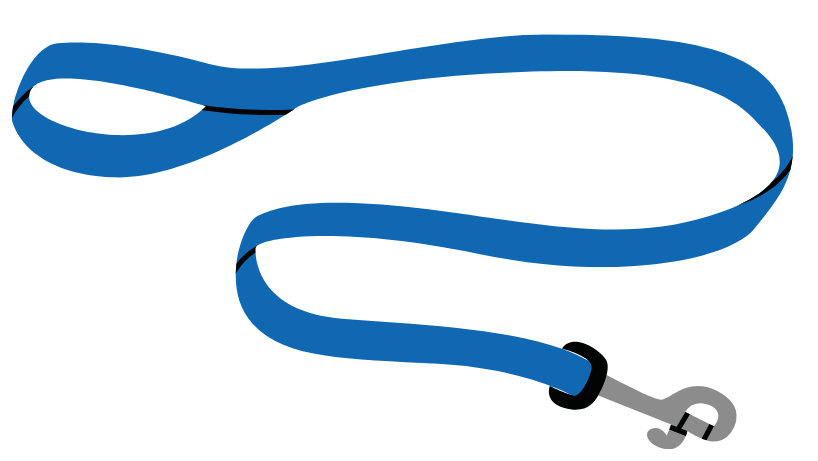 Find a lead which is comfortable in your hand – we do not recommend extendable/retractable leads as they are easy to drop and jolting for dogs. At the rehoming centre we use ‘training’ leads that have clips both ends so they can be set up to different lengths that suit if you are doing training or having a stroll.
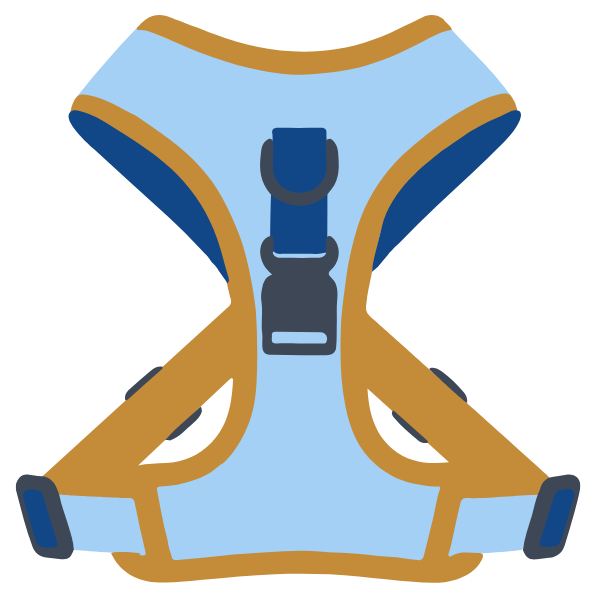 There are so many types of harness on the market, so wait until you know who you are adopting and we will advise you on size and type. For example, some dogs struggle with things going over their heads and prefer a step-through, some struggle with things around their paws!
» Find out more about harnesses
 Quite a few dogs wear muzzles these days for a lot of reasons. If your new dog needs a muzzle, we’ll chat with you during your visits about what they need.
» Find out why we love muzzles
 Car safety – you need to consider your dog sliding about or escaping from your car, both for control at this exciting time and in case of an accident. If they are on the back seat, then get a seatbelt clip that connects to your dog’s harness.
If they are to be in the boot, then a non-slip mat and a guard is needed. For boot travel, also consider getting a ramp or steps, as jumping into a boot is difficult for most dogs.
 Regular brushing is not just for long coats. Grooming is not only a great bonding exercise but also an opportunity to check them over and spot any health issues early. Start with a soft brush or gentle mitt to build trust, we like the rubber brushes such as Kong's Zoom Groom.
» Read our guide on teaching your pet to accept being checked over.
 Dental care. Get into good habits early - ideally you will want to be cleaning your dog’s teeth a couple of times a week, with a dog-specific brush and toothpaste (human toothpaste is very toxic to pets).
A chew toy is also great for removing plaque, but wait until you know what dog you are getting as you’ll need to match their size and chewing strength. Never buy rawhide chews as these are a choking hazard.
» Read our guide to looking after their teeth.
 Adaptil. This is a great optional extra, which is a plug-in pheromone that doesn’t smell at all to humans but helps dogs relax. Turn it on the day before you bring them home.
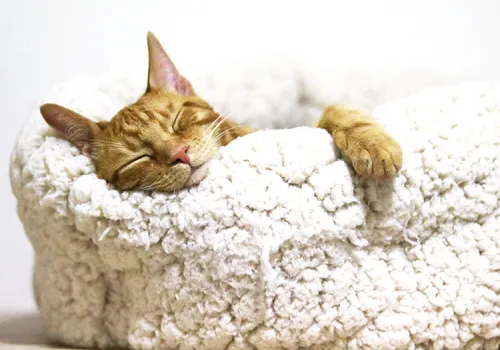
Preparing for a new cat
Cats, Adopters, Kitten
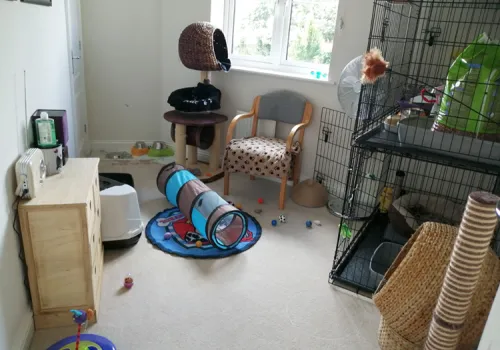
How to choose and set up a secure room for newly-adopted or nervous cats
Cats, Adopters, Kitten
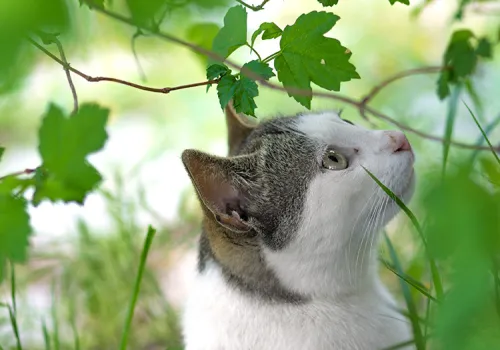
Letting your cat outside for the very first time is nerve-wracking! Here are some tips on how to prepare your cat for their next adventure
Cats, Adopters, Cat behaviour